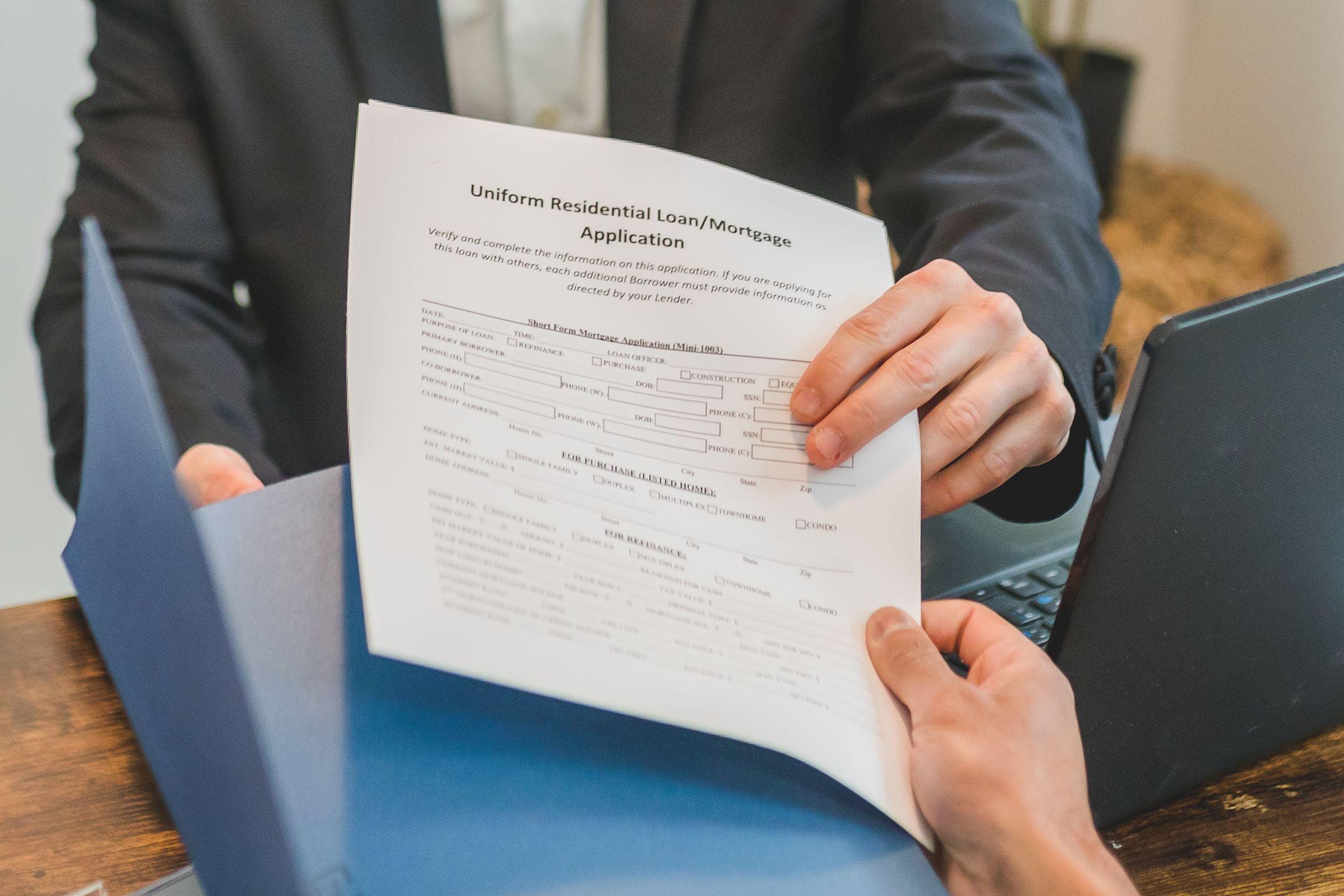
Louisville's market moves fast, and a good offer without a pre-approval letter attached is just a hope. Sellers and their agents look for it first — before price, before terms, before anything else — because it's the one piece of paper that says a buyer's financing is real. Here's what pre-approval actually means, what a lender will ask for, and how to walk into an offer with your financing already handled.
Pre-Approval vs. Pre-Qualification: They're Not the Same Thing
These two get used interchangeably, and that's part of the problem. A pre-qualification is a quick, mostly self-reported estimate — you tell a lender your income, debts, and approximate credit, and they hand back a ballpark number. No documents, no verification, no real weight behind it.
A pre-approval is the real thing: the lender pulls your credit, verifies your income and assets against actual documents, and runs it all through underwriting guidelines before issuing a conditional commitment for a specific loan amount. That's the letter you want in hand before you start touring homes seriously, and it's the only version of this that a listing agent will take at face value in a competitive offer.
What You'll Need to Get Pre-Approved
Have these ready before you call a lender and the process moves in days, not weeks:
- Two years of W-2s and federal tax returns (more if you're self-employed — typically two years of full returns including schedules)
- Recent pay stubs covering the last 30–60 days
- Two months of statements for every bank, investment, and retirement account you plan to draw from
- A government-issued photo ID
- Documentation for any additional income — bonus, commission, rental, alimony, disability
- Written authorization for the lender to pull your credit report
Most lenders can turn a complete file into a pre-approval letter within 24–48 hours. The delays almost always come from missing paperwork, not the underwriting itself.
What Lenders Are Actually Looking At
Three numbers drive almost every pre-approval decision: credit score, debt-to-income ratio, and down payment. They vary by loan type:
- Conventional: credit score of 620 or higher, debt-to-income up to roughly 45% (sometimes 50% with strong reserves and compensating factors), down payment as low as 3% for first-time buyers
- FHA: credit score of 580+ for 3.5% down, or 500–579 with 10% down; debt-to-income typically capped near 43% but flexible to 50%+ with a strong credit profile
- VA: no government-set minimum credit score (most lenders still want 620+), 0% down, debt-to-income usually around 41%
- USDA: credit score of 580+, 0% down, available only in USDA-eligible rural and suburban areas — see our guide to USDA loans near Louisville for which Kentucky and Southern Indiana counties qualify
The Consumer Financial Protection Bureau did away with a hard 43% debt-to-income ceiling back in 2020, so today's limits are really a function of how strong the rest of your file looks — credit score, cash reserves, and loan type all shift what a lender will approve.
2026 Loan Limits for Jefferson County, Kentucky
For a single-family home in Jefferson County this year, the baseline conforming loan limits are $541,287 for FHA financing and $832,750 for a conventional conforming loan. Buying a legal 2–4 unit property (house hacking) raises those ceilings considerably — our house hacking guide breaks down the multi-unit limits and where legal multi-unit stock actually sits in Louisville.
Down Payment Help: Kentucky Housing Corporation Assistance
You do not need 20% down to buy a home in Kentucky — that's a myth that keeps otherwise-ready buyers on the sidelines. Kentucky Housing Corporation (KHC) offers a secondary loan of up to $12,500 toward down payment and closing costs, paired with an approved KHC first mortgage and repaid over 15 years. It's available through KHC's network of approved lenders and is subject to purchase price and income limits, so it's worth asking about specifically when you start the pre-approval conversation rather than assuming you don't qualify.
How Long Does a Pre-Approval Last?
Most pre-approval letters are good for 60–90 days. Rates, income, and credit can all shift in that window, so if you're still house hunting past that point, plan on refreshing your documents and getting a new letter issued — it's a quick update, not a full re-application, as long as nothing major in your financial picture has changed.
Mistakes That Can Sink a Pre-Approval Between Offer and Closing
A pre-approval is conditional, not final — underwriting still has to verify everything again before closing. The most common way buyers derail their own financing after getting pre-approved:
- Opening a new credit card, auto loan, or financing furniture/appliances before closing
- Changing jobs or switching from salary to a 1099/commission structure mid-process
- Making a large, undocumented deposit into a bank account you're using for the loan
- Co-signing a loan for someone else
- Letting existing credit card balances climb while house hunting
The safest rule between pre-approval and closing day: if it changes your income, your debt, or your assets, talk to your lender before you do it, not after.
Where Winner Realty Buyers Start
You can get pre-approved with any licensed lender, and we'll work with whoever you bring to the table. For buyers who want a starting point, Bobby Clifton at CrossCountry Mortgage is who our founder has sent traditional buyers and sellers to since he started in real estate in 2013 — a real relationship, not a paid referral arrangement, built on a decade-plus of getting Louisville buyers' financing done right and on time.
Ready to talk financing or see what you'd actually qualify for? Schedule a time with us and we'll help you get pointed in the right direction.
Frequently asked questions
Does getting pre-approved cost anything?
Most lenders don't charge a fee for pre-approval itself, though some pass along the cost of pulling your credit report. Ask upfront so there are no surprises.
Will applying for pre-approval hurt my credit score?
It causes a small, temporary dip from the hard inquiry — usually under five points. Credit scoring models also treat multiple mortgage inquiries within a short window (typically 14–45 days depending on the model) as a single inquiry, so shopping a few lenders in the same stretch of time won't multiply the impact.
Can I get pre-approved with a lower credit score?
Yes. FHA loans allow scores as low as 500 with a larger down payment, and 580+ with just 3.5% down. USDA loans generally look for 580+. Conventional loans are the strictest of the group, usually wanting 620 or higher.
Do I need 20% down to buy a house?
No. Conventional loans can go as low as 3% down for first-time buyers, FHA as low as 3.5%, and VA and USDA loans offer 0% down for buyers who qualify. Kentucky Housing Corporation's down payment assistance can help cover much of what's left.
How long does the pre-approval process take?
With a complete document file, most lenders issue a pre-approval letter within 24 to 48 hours. The biggest source of delay is almost always missing paperwork on the buyer's side, not the lender's process.
Is a pre-approval a guaranteed loan?
No. It's a conditional commitment based on the information verified at the time. Underwriting re-verifies everything again before closing, which is why lenders ask buyers not to change jobs, open new credit, or make large undocumented deposits between pre-approval and closing day.