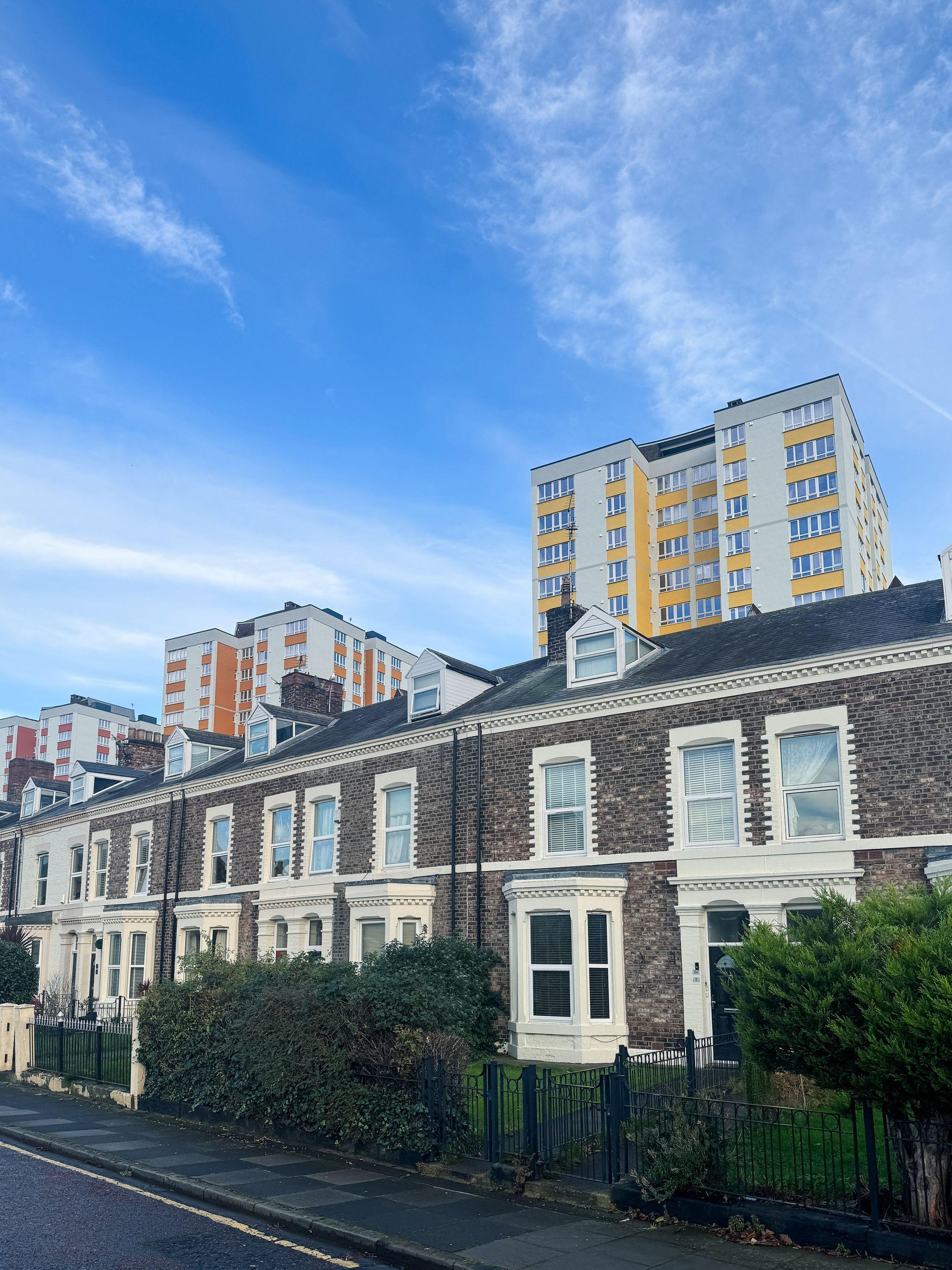
Most investors finance one rental property at a time — one loan, one closing, one set of underwriting hoops to jump through. That works fine at two or three doors. Past five, it starts costing real time and real money: a new application, a new appraisal, a new set of closing costs, every single time you add a property.
A blanket loan — also called a portfolio DSCR loan — rolls multiple rental properties into a single loan, underwritten once, closed once, serviced as one line item instead of five or ten. This guide covers how portfolio DSCR loans actually work, what it takes to qualify, the one mechanic you have to understand before you sign (the release clause), and who this genuinely makes sense for. If you haven't financed a single property with a DSCR loan yet, start with our DSCR loans guide first — this post assumes you already know the basics and is about what changes once you're financing a portfolio instead of one door.
What a blanket (portfolio) DSCR loan actually is
A blanket loan is exactly what it sounds like: one loan, secured by multiple properties instead of one. Instead of five separate mortgages each sized to one property's income, a lender underwrites the whole portfolio's combined debt-service coverage and issues a single note secured by all of the properties together — this is called cross-collateralization, and it's the defining feature of the structure.
Because the loan is sized on the portfolio as a whole, a strong-performing property can offset a weaker one. A duplex running a 1.05 DSCR and a fourplex running a 1.45 DSCR might not individually impress a lender, but averaged across the portfolio they can clear the bar together. That portfolio-level averaging is one of the real advantages over financing each property on its own.
How big a portfolio do you need to qualify
Most lenders offering portfolio DSCR products want to see five or more properties in the loan, though a handful will start at three or four, and some institutional programs require ten or more. On the dollar side, expect a minimum aggregate loan amount around $500,000, with most blanket loans landing somewhere between $1 million and $5 million — a handful of lenders will go smaller, but they're the exception, not the rule.
Pricing as of early 2026 on a strong portfolio runs roughly 7.25%–8.25% for a 30-year fixed structure, or 7.50%–8.50% on a 10-year interest-only structure, with portfolio-wide loan-to-value typically capped between 70% and 75% (80% is rare on a blanket, even when it's available on a single-property DSCR loan at the same lender). Rate on the blanket product is usually flat to about a quarter-point better than financing the same properties individually at the same lender — on a $5 million-plus portfolio with strong, stabilized cash flow, that spread can widen to a quarter- to half-point in your favor with the right institutional lender.
The release clause: how you sell one property without unwinding the whole loan
This is the single most important mechanic to understand before you sign a blanket loan, and the one most investors haven't thought through until they actually try to sell a property. Because the loan is secured by every property in the portfolio together, you can't simply sell one duplex out of a seven-property blanket the way you'd sell a standalone rental — the lender has to formally release that specific property from the collateral pool first.
The release almost always costs more than that property's pro-rata share of the loan. Expect to pay somewhere between 110% and 125% of the loan amount allocated to that specific property to buy it out of the blanket — a property carrying a $275,000 allocated balance at a 115% release price would cost roughly $316,250 to release, with the difference going toward paying down the remaining balance on the properties that stay in the loan. Lenders typically require 30 to 60 days' written notice before a release, and some cap how many releases you can do in a single year, which matters if your plan involves selling off several properties on a shorter timeline.
None of this makes a blanket loan a bad idea — it just means "I'll just sell one if I need cash" isn't as simple or as cheap as it is when each property has its own separate mortgage. Plan your exits with the release math in mind, not after the fact.
Why investors use a blanket loan instead of financing each door separately
- One closing instead of five or ten. One appraisal process, one underwriting file, one set of closing costs — instead of paying those costs over and over as you add each property.
- Portfolio-level DSCR averaging. A strong cash-flowing property can carry a weaker one across the finish line on underwriting, which single-property DSCR loans never allow.
- Simpler annual servicing. One payment, one statement, one loan to track instead of a spreadsheet of five or ten separate notes with different rates, terms and renewal dates.
- Often a better rate at scale. Especially on larger portfolios with an institutional lender, where the pricing can beat what you'd get financing the same properties one at a time.
- Faster scaling. Once the blanket is in place, adding a property can sometimes mean amending the existing loan rather than originating an entirely new one, depending on the lender.
What you give up: the real trade-offs
- Cross-collateralization cuts both ways. Every property secures all of the debt, which means trouble on one property — a bad vacancy stretch, a costly repair, a problem tenant — can put the whole portfolio at risk, not just that one door.
- Selling isn't simple. The release-clause math above means pulling one property out costs more, and takes longer, than selling a standalone-financed rental.
- One rate for everything. If rates drop and you want to refinance, you're refinancing the whole blanket, not just the properties where it would help most.
- You're leaning on one lender. Your whole portfolio's financing depends on one lender's ongoing policies, appetite and solvency, rather than being spread across several note holders.
For a lot of our clients, the trade-off is worth it once you're past the point where separate closings are eating real time and money. Below that point, individual DSCR loans usually still make more sense — see the next section.
Blanket DSCR vs. financing each property on its own
- Financing each property separately — more closings and more underwriting work as you scale, but each property can be sold, refinanced or released on its own schedule with no coordination required. The right call for most investors under roughly five doors.
- Blanket/portfolio DSCR loan — one closing, portfolio-level DSCR averaging, often a modestly better rate at scale — but selling or refinancing a single property means working through the release clause, and a problem on one property touches the whole loan.
Who this is actually a good fit for
In our experience, blanket DSCR loans make the most sense for investors who are past five rental doors and are feeling the real cost of financing each one separately — repeated appraisal fees, repeated underwriting delays, a growing pile of separate mortgage statements to track. If you're actively scaling with the BRRRR method and expect to keep adding properties, a blanket structure can also simplify how new acquisitions get financed going forward, depending on the lender's terms for adding to an existing blanket.
It's a weaker fit if you expect to sell individual properties on a short timeline, or if you want the flexibility to refinance one property the moment rates improve without touching the rest of your portfolio. If your next move is scaling into multifamily or commercial property rather than adding more single-family and small multifamily rentals, a commercial loan structure may fit better than a residential blanket DSCR product — our commercial real estate loans guide covers that financing path.
Frequently asked questions
How many properties do I need to qualify for a blanket DSCR loan?
Most lenders want five or more properties. A few will start at three or four, and some institutional programs require ten or more. Expect a minimum aggregate loan amount around $500,000, with most blanket loans falling between $1 million and $5 million.
Can I sell just one property out of a blanket loan?
Yes, through the release clause, but it isn't free or instant. Expect to pay 110%–125% of that property's allocated loan balance to release it from the collateral pool, with 30–60 days' notice typically required, and some lenders cap how many releases you can do in a year.
Is the interest rate better on a blanket loan than financing each property individually?
Usually flat to about a quarter-point better at the same lender, and the gap can widen to a quarter- to half-point on larger portfolios ($5 million-plus) with strong, stable cash flow and an institutional lender. It isn't a guaranteed discount — pricing still depends on the overall strength of the portfolio.
What happens if one property in the blanket loan has a bad year?
Because every property secures the entire loan, a serious problem on one property — prolonged vacancy, major repairs, a default — can put the whole portfolio at risk, not just that one door. This cross-collateralization is the central trade-off of a blanket structure and the main reason it isn't the right fit for every investor.
If you're scaling past the point where separate closings make sense and want to talk through whether a blanket DSCR loan fits where your portfolio is headed, reach out to Rob and we'll walk through your numbers, your timeline, and the right lender for where you're at.