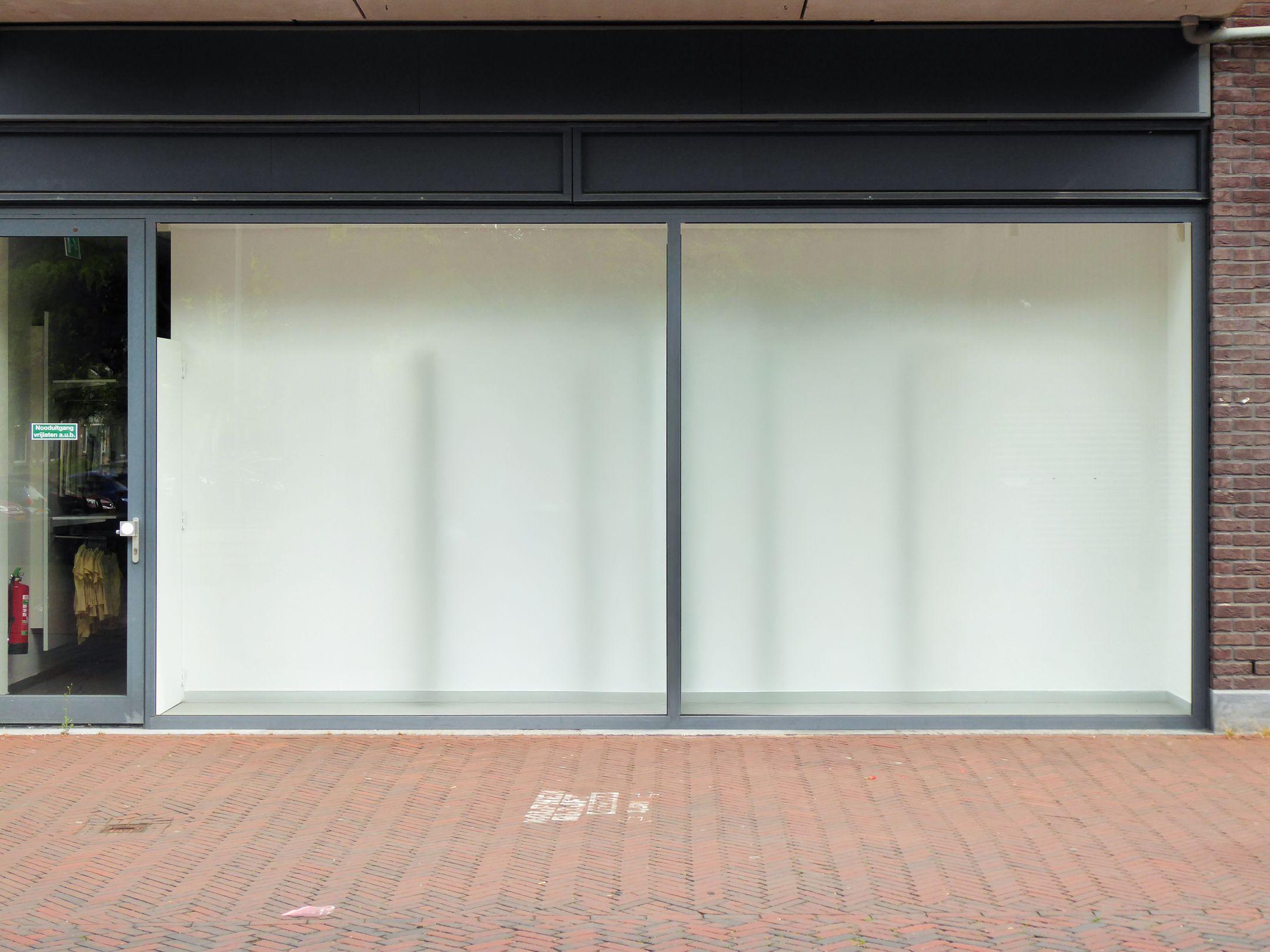
Here's the strange thing about owning a vacant retail building in Louisville right now: the market around you is doing great. Retail is one of the tightest property types in town, with vacancy running around 3% according to Matthews' Q2 2026 Louisville retail report. Rents are rising.
Which makes an empty building feel even worse. If everybody else is full, why aren't you?
Sometimes it's the building. Sometimes it's the location, the parking, a dark anchor, a lease structure nobody wants, or an owner who's tired and stopped chasing tenants. Whatever the reason, there's a buyer for almost every retail property. The trick is finding the right one and pricing it the way they'll actually look at it.
First, understand how buyers value retail
Leased retail is priced on income. A buyer looks at the property's net operating income, or NOI (the rent left after operating expenses, before the mortgage), and divides it by a cap rate, or capitalization rate (the yearly return a buyer expects). Louisville retail cap rates averaged around 8.3% in Q2 2026, per Matthews.
Example: a center bringing in $200,000 a year in NOI, at an 8.3% cap rate, is worth roughly $2.4 million to an investor.
A vacant building doesn't have income, so investors price it differently. They figure out what it would be worth leased, then subtract the cost and risk of getting there: tenant improvements (building out space for a new tenant), leasing commissions, months of no rent while it fills, and a profit for taking the risk. That gap is why vacant properties trade at a discount.
The good news: in a tight market, that discount is smaller than it used to be, because buyers believe they can actually lease it up.
Who buys vacant and struggling retail
Owner-users
A business that wants to own its own building: a medical office, a gym, a restaurant group, a daycare, a church, a contractor. Owner-users don't need the income, they need the space, so they often pay more for a vacant building than an investor would. Many use SBA loans (U.S. Small Business Administration programs) with as little as 10% down. More on that in our commercial real estate loans guide.
Value-add investors
Buyers who specialize in leasing up empty space. They'll pay a fair price for upside if your numbers are honest.
Redevelopers
If the land is worth more than the building, a developer may want it for something else entirely: apartments, a mixed-use project, a pad site for a drive-thru, or medical. This usually takes a rezoning through Louisville Metro Planning and Design Services, which adds time and risk the buyer will price in.
Should you lease it up first, or sell as-is?
Leasing first can make sense when
- You have the money and patience for tenant improvements and leasing commissions
- The space just needs a refresh, not a rebuild
- You're getting real interest from tenants
Every dollar of stable rent you add can add more than ten dollars of value at today's cap rates. That's the math that makes leasing up attractive.
Selling as-is usually makes more sense when
- The building needs major work (roof, parking lot, HVAC, which means heating and air)
- A loan is coming due or you're carrying the payments out of pocket
- You're done being a landlord
- The best value is in the land, not the building
Getting a vacant retail property ready to sell
- Rent roll and lease copies for any tenants still there
- Two to three years of operating expenses, plus CAM (common area maintenance) charges and how much you recover from tenants
- Property tax and insurance bills
- Any recent roof, parking lot, or HVAC work, with receipts
- A Phase I environmental report if you have one, especially if the site ever had a dry cleaner or gas station
- Survey, zoning, and any signage rights
The cleaner your file, the fewer reasons a buyer has to knock down the price.
How we sell it
- We price it the way the most likely buyer will, whether that's an owner-user, an investor, or a developer, and we show you the math for each
- We market it on the MLS (Multiple Listing Service) and commercial platforms, and directly to our investor network
- We go after owner-users in the neighborhood, not just investors
- We give you a straight answer on whether leasing up first would put more money in your pocket
See the bigger picture on Louisville retail investment properties and current numbers in our Louisville commercial real estate market report.
If anyone connected to Winner Commercial ever wanted to buy your property directly, we'd tell you in writing up front that they hold a real estate license, as Kentucky requires.
Frequently asked questions
Can I sell a strip center that's mostly vacant?
Yes. Owner-users, value-add investors, and developers all buy vacant retail. The price reflects the cost and time to lease it up, but in a tight market that discount is smaller than you might think.
How do you value a vacant commercial building?
Buyers estimate what it would be worth fully leased, then subtract build-out costs, leasing commissions, months of lost rent, and a profit for the risk. Owner-users often value it on what it would cost them to rent or build elsewhere.
Is it better to lease it up before selling?
Sometimes. Stable rent can add a lot of value at today's cap rates. But it takes money and time. We'll run both numbers before you decide.
What if my anchor tenant left?
A dark anchor hurts the whole center, and some leases let other tenants pay less or leave when it happens (called co-tenancy clauses). Selling with a plan for that space, or to a buyer who has one, is often the cleanest path.
Let's look at your property
Call or text Winner Commercial at (502) 305-8915, or send the details through our commercial inquiry form.